Early Herbert Ancestry
Sources:- Herbert in England & Virginia 1399-1900s by Alice Granbery Walter (1977). Available on Open Library.
- Edward Herbert, 1st Baron Herbert of Cherbury - Wikipedia and reputable pages thereof
- G. E. Cokayne, et. al., eds., The Complete Peerage of England, Scotland, Ireland,
Great Britain and the United Kingdom, Extant, Extinct or Dormant (1910-1959, reprint in 6
volumes, 2000), vol. VI, p. 442, cited on Richard Herbert, 2nd Baron Herbert of Chirbury - Wikipedia - Collections Historical & Archœological Relating to Montgomeryshire and its Borders, Vol. VII (1874), The Powysland Club (The Montgomeryshire Historical Society)
- The Peerage
- WikiTree - Richard Herbert and reputable pages thereof
- Geni: Richard Herbert, 2nd Lord Herbert of Chibury and reputable pages thereof
- FamilySearch: Richard Herbert and reputable pages thereof
- William Herbert (planter) - Wikipedia
- William Herbert (MP fl.1555) - Wikipedia
- History of Parliament: Herbert, William IV
- Mrs. Eija Kennerley, Phil. Mag. (Helsinki), B.A. (London), auther of "The Herberts of St. Julians" in Gwent Local History No. 35, Spring 1973
- Richard Ithamar Aaron, Professor and author of "HERBERT, EDWARD (1583 - 1648), 1st baron Herbert of Cherbury" in Dictionary of Welsh Biography
- Arthur Herbert Dodd, Emeritus Professor and author of "HERBERT, Sir WILLIAM (died 1593), Irish planter and Welsh educational pioneer" in Dictionary of Welsh Biography
- Glyn Roberts, Professor and author of "GRIFFITH OF PENRHYN, Caernarfonshire" in Dictionary of Welsh Biography
- WikiTree: Edward Griffith (1511-1540) and reputable pages thereof
- Evan David Jones, author of STRADLING family of Glamorganshire in in Dictionary of Welsh Biography
- The Peerage: Mary Herbert and pages reputable thereof
- "Edward Herbert, 1st Baron Herbert" at Encyclopedia Britannica
- WikiTree: Mary Herbert and pages reputable thereof
- Wikipedia: William Herbert, 1st Earl of Pembroke (died 1469)
- Richard Herbert of Coldbrook - Wikipedia
- W. Bell Jones, "The Memorial Inscriptions in Hawarden Parish Church," Transactions of the Historic Society of Lancashire and Cheshire for the Year 1915, Volume LXVII. New Series—Volume XXXI, (1906), 170-71. e-Book Internet Archive (https://archive.org/details/transactionsofhi67hist/page/170/mode/1up).
- Heraldic visitations of Wales and part of the Marches; between the years 1586 and 1613, under the authority of Clarencieux and Norroy, two kings at arms, Volume I, by Lewys Dwnn, deputy herald at arms, transcribed from the original manuscripts, and ed., with numerous explanatory notes; by Sir Samuel Rush Meyrick. Pub. for the Welsh Mss. Society
- Bangor University Archives & Special Collections: CalmView Catalogue - CalmView Catalogue: Alt Ref No PFA/1/593 and CalmView Catalogue: Alt Ref No PFA/1/572 (c/o WikiTree: Jane (Puleston) Thomas)
- The Royal Descents of 600 Immigrants to the American Colonies or the United States who were themselves notable or left descendants notable in American history : with a 2008 addendum, coda, and final addition by Gary Boyd Roberts
Surnames on this site include the following: Bromley, Browe, Corbet, Croft, Dalton, Devereux, Egerton, Fychan, Gam, Griffith/Gruffydd, Herbert, Hywel, Jennings, Lyster, Mathew, Mitley, Morgan, Morley, Newport, Price, Puleston, Stanley, Stradling, Troutbeck and Vernon.
| Gwyllym | John Morley of Llansantffraed (Llansantffraed-juxta-Usk), a parish in the community of Talybont-on-Usk in Powys, Wales, near Brecon | Hywel |↓ Llewelyn ap Hywel |
||||||||||||||||||||||||||||||||||||||||||||||||||||||||||||
| | ↓ |
| ↓ |
| ↓ |
||||||||||||||||||||||||||||||||||||||||||||||||||||||||||||
| Sir Thomas ap Gwyllym, knight of Perth-hir House, Rockfield, Monmouthshire, Wales d. 1438 |
m. | Maud Morley | Dafydd Gam (Dafydd ap Llewelyn ap Hywel) b. ca. 1380 d. 25 October 1415 at the Battle of Agincourt fighting for Henry V, King of England in that victory against the French during the Hundred Years' War. |
 Arms of Sir Dafydd Gam (David Gam) |
||||||||||||||||||||||||||||||||||||||||||||||||||||||||||
| | ↓ |
Origin of Herbert | | ↓ |
||||||||||||||||||||||||||||||||||||||||||||||||||||||||||||
| William (Gwilym) ap Thomas (Lord of Rhaglan) b. in Wales He "was a Welsh nobleman, politician, knight, and courtier. He was a member of the Welsh gentry family that came to be known as the Herbert family... [He] served King Henry V of England during his first French campaign and in numerous subsequent capacities and was knighted in 1426" (William ap Thomas - Wikipedia). d. 1445, London, EnglandBurial: Abergavenny Priory, Monmouthshire, Wales |
m. This was Gwladys' second marriage as she lost both her father and first husband in the Battle of Agincourt in Northern France (Gwladys ferch Dafydd Gam - Wikipedia). Dwnn mentions on p. 292, note 8, the following: "He [William] was Knighted by Henry V. for his valour in the wars in France. His children were William, Earl of Pembroke; Sir Richard of Coldbrook; Elizabeth, married to Sir Henry Stradling, Knight [my ancestors]; and Margaret, married to Sir Henry Wogan, Knight." |
Gwladys ferch Dafydd Gam d. 1454 |
||||||||||||||||||||||||||||||||||||||||||||||||||||||||||||
| | | | | | | | | | | | | | | | | | | | | | | | | | ↓ |
Ancestry through parents Sir Walter Devereux, the Lord Chancellor of Ireland, and his wife Elizabeth Merbury |
|
||||||||||||||||||||||||||||||||||||||||||||||||||||||||||||
| | | | | | | | | | ↓ |
| Sir Richard Herbert and William Herbert, 1st Earl of Pembroke, (below) were brothers (Walter, p. 19). They were executed by Lord Warwick after the Battle of Edgcote during the Wars of the Roses (Weir, Alison (1995). Lancaster ∓ York; the Wars of the Roses (2009 ed.). Vintage. ISBN 978-0099540175 as referenced at Battle of Edgcote - Wikipedia). |
| | | | | | | | | ↓ |
↑ | | | | | | | | | |
|||||||||||||||||||||||||||||||||||||||||||||||||||||||||||
| Sir Richard Herbert of Coldbrook, Monmouthshire, Wales d. d. 27 July 1469: beheaded along with his brother William and others (Dwnn, p. 292, note 9). Lineal ancestor of the Herberts of Chirbury. |
Roger Bromley of Mitley and Jane Mitley
David Browe of Malpas, Cheshire
|
↓ |
↓ Roger Bromley of Mitley
Unknown, daughter and coheiress of David Browe
m.
|↓ |
Source: Family Tree: The Bromley Dynasty - Wikipedia |
William Herbert 1st Earl of Pembroke "Black William" 
b. ca. 1423 d. 27 July 1469: beheaded along with his brother Richard and others (Dwnn, p. 292, note 9). |
m.
"William Herbert, Earl of Pembroke, married Anne, daughter of Sir Walter Devereux, Knight, and had issue four sons and six daughters" (Dwnn mentions on p. 292, note 9). |
Anne Devereux, Countess of Pembroke b. ca. 1430, Bodenham, Herefordshire, England d. after 25 June 1486 |
Sir Richard Croft of Croft Castle, Herefordshire, England
|
↓
Tudur ap Ednyfed
↓
Source: Roberts
Heilyn ap Tudur ab Ednyfed
↓
Source: Roberts
Griffith ap Heilyn ap Tudur ab Ednyfed
↓
Source: Roberts
Gwilym ap Griffith ap Heilyn (d. ca. 1370)
↓
married (c. 1340) Eva, daughter of Griffith ap Tudur ap Madog ap Iarddur Source: Roberts |
|||||||||||||||||||||||||||||||||||||||||||||||||||||||
| | | | | | ↓ |
| | | | | ↓ |
| | | | | ↓ |
| | | | | ↓ |
Griffith ap Gwilym (d. 1405) married (c. 1360) Generys, daughter and heiress of Madog ap Goronwy Fychan (Goronwy Fychan was ancestor of the Tudors) Source: Roberts |
||||||||||||||||||||||||||||||||||||||||||||||||||||||||||
| | | |
| ↓ |
| ↓ |
| ↓ |
| ↓ |
||||||||||||||||||||||||||||||||||||||||||||||||||||||||||
| | | | | | | | | | | | | | | | | | | | | | | | | | | | | | | | | | | | | | | | | | |
Source for Corbet line: Richard Newport (died 1570) - Wikipedia |
Sir Robert Corbet of Moreton Corbet and his wife, Elizabeth Vernon |
Roger Bromley (3rd son of Roger Bromley of Mitley, Shropshire) and wife Jane Jennings (daughter of Thomas Jennings of Walliborne Hall, Church Pulverbatch) |
Sir George Herbert "assisted Henry VII in putting down the rebellion of Lambert Simnel in 1487 and that he was knighted for his assistance" (Kennerley). |
Sir George Herbert b. ca. 1573-1574 |
m. Source for this couple: Kennerley |
Sibylla Croft |
Sir William Morgan of Langstone and Pencoed, Llanmartin, Monmouthshire, Wales
|
Gwilym ap Griffith
↓
(d. 1431) After 1405 he married (2nd) Joan Stanley, daughter of Sir William Stanley of Hooton, Cheshire Source: Roberts
Gwilym Fychan (ca. 1420-1483)
↓
Married, before 1447, Ales Dalton, daughter and heiress of Sir Richard Dalton of Apthorp, Northamptonshire Source: Roberts
William Griffith
(ca. 1445-1505/6). He married (1st) Joan Troutbeck, widow of Sir William Butler of Bewsey, Cheshire; her mother was Margaret, daughter of Sir Thomas Stanley (ca. 1406-1459), first baron Stanley. In 1476, William Griffith is described as "king's servant" and "marshall of the King's Hall". In 1483, he is appointed chamberlain of North Wales by Richard III. In 1489, he was knighted by Arthur, Prince of Wales. Source: Roberts
|
| | | ↓
Willliam Griffith
(ca. 1480-1531) In 1508, he is described as "King's servant", "squire for the body", and appointed chamberlain of North Wales. He served under Charles Brandon in the French campaign of 1513, was at the siege of Thérouanne, the battle of Spurs, and the siege of Tournai in August 1513. He was knighted at Tournai 25 September 1513. His first wife (and mother of his son below) was Jane Stradling (Roberts).
Jane Stradling
b. ca. 1480, St Donat's, Glamorgan, Wales d. before 1520, Wales
m.
|
Roberts, The Royal Descents of 600 Immigrants to the American Colonies..., p. 847, confirms this lineage: "Sir William Griffith, husband firstly of Jane Stradling...and secondly of Jane Puleston (...daughter of John and Eleanor), was a son of another William Griffith and Joan Troutbeck, daughter of Sir William Troutbeck and Margaret Stanley...." My note: The Jane Puleston who was the second wife of Sir William Griffith is different than the Jane Puleston his son married as shown in Roberts' "GRIFFITH OF PENRHYN, Caernarfonshire" in Dictionary of Welsh Biography and also since the Jane Puleston who married Edward Griffith (the son) was daughter of Sir John Puleston and Gaynor ferch Robert Puleston.
|
||||||||||||||||||||||||||||||||||||||||||||||||||||
| | | | | | | | | ↓ |
| | | | | | | | ↓ |
| | | | | | | | ↓ |
| | | | | | | | ↓ |
| | | | | | | | ↓ |
| | | | | | | | ↓ |
 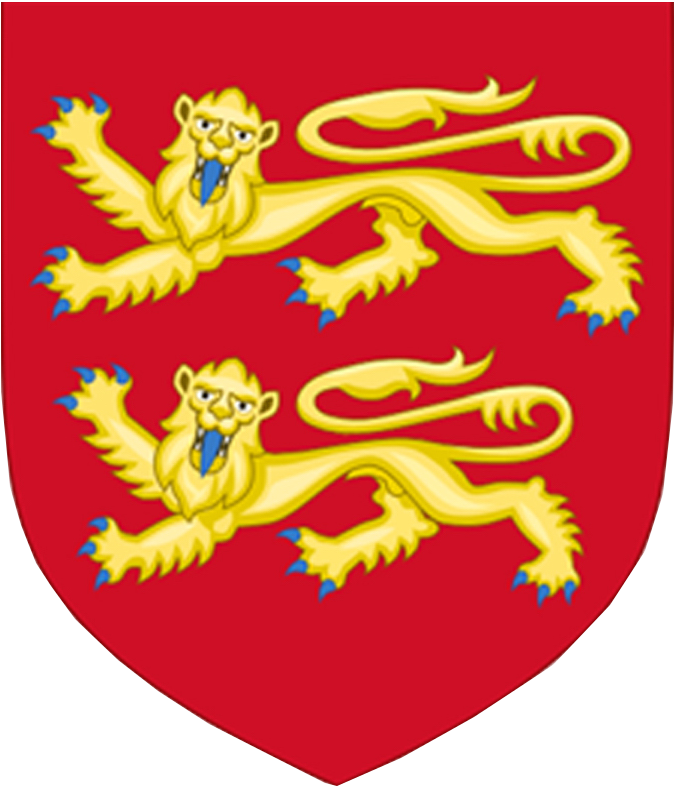  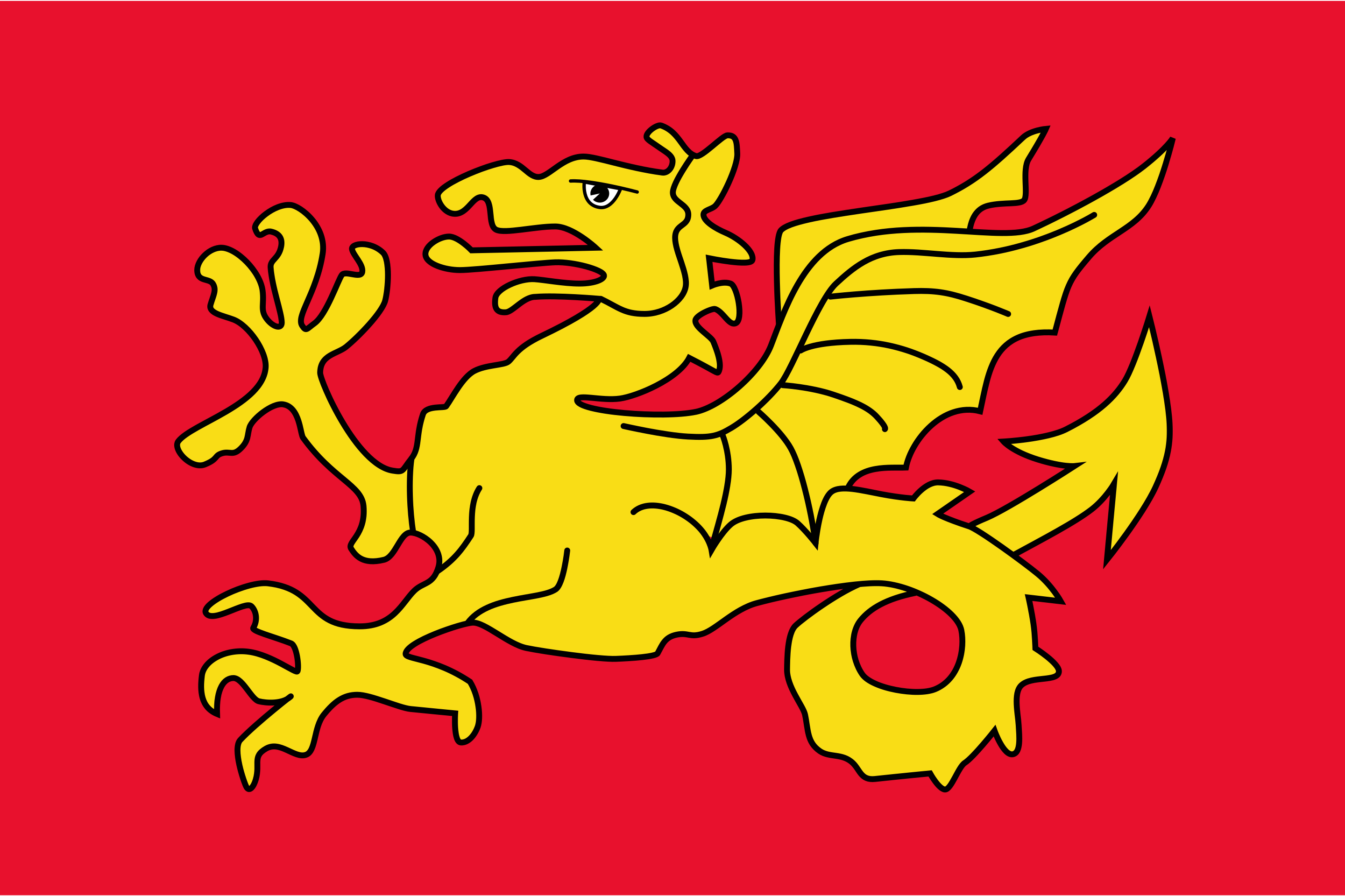  Ancestry through parents Sir John Puleston and Gaynor ferch Robert ↑ |
||||||||||||||||||||||||||||||||||||||||||||||||||||||||
| Sir Richard Herbert b. d. |
m. Anne was Richard's second wife. Source for this couple: Edward Herbert (died 1593) - Wikipedia |
Anne Herbert b. d. |
b. d. |
m. | b. d. |
Thomas Newport of High Ercall, Shropshire b. d. |
m. | Anne Corbet b. d. |
Sir Thomas Bromley, "one of the Privy Councell and executor of KING HENRY VIII" (Walter, p. 19). m. Isabel Lyster of Rowton, Shropshire d. 1555 |
Sir Walter Herbert accompanied King Henry VIII to wars ca. 1512-1514, taking "'a hundred of the finest archers...' His badly mutilated effigy can still be seen in St. Woolos Cathedral. Sir Walter may have been a wild character -- or ... grossly gossiped about -- because it was said he was 'the patron and protector of thieves and murderers'. He was supposed to have been mixed up with some disreputable characters in the Magor area" (Kennerley). |
Sir Walter Herbert d. ca. 1551 His 1550 will mentions his ship James, which he willed to his son George. Sources: Kinnerly and William Herbert (MP fl.1555) - Wikipedia |
m. | Mary Morgan b. d. Sources: History of Parliament: Herbert, Walter and WikiTree: Mary (Morgan) Herbert |
Edward Griffith (Gruffydd) of Penrhyn, Caernarfonshire, Wales b. 18 May 1511, Wales d. 1540 Sources: William Herbert (planter) - Wikipedia, William Herbert (MP fl.1555) - Wikipedia, WikiTree and Roberts |
m. | Jane Puleston b. 1515, Wales d. Source: Roberts |
After Edward died (1540), Jane married Rhys Thomas according to WikiTree. Bangor University Archives CalmView Catalogue indicates that Around 1540, there was a memorandum of settlement named them and her daughters as: "Jane Gruff' widow late wiff to Edward Gruff Esq., deceased; John Puleston Esq on behalf of Jane Gruff' Kateryn Gruff' and Elyn Gruff', daughters of Edward Gruff'" (Alt Ref No PFA/1/572). Around 1540-1542, Jane and her father were named as "Jane the widow of Edward Gryffythe and John Pulston her father" in a bill of complaint by Rhys Griffith about title to the manor of Penryn and lands in Anglesey and Caernarfonshire (Alt Ref No PFA/1/593). | |||||||||||||||||||||||||||||||||||||||||||||
| | | | | | | | | | ↓ |
| | | | | | | | | ↓ |
| | | | | | | | | ↓ |
| | | | | | | | | ↓ |
| | | | | | | | | ↓ |
|
| | | | | | | | | ↓ |
||||||||||||||||||||||||||||||||||||||||||||||||||||||||
|
Edward Herbert of Chirbury, Shropshire, England, and Montgomery, Wales b. ca. 1513 d. 30 April 1593 In 1549, he served under his cousin, Sir William Herbert (ca. 1501-1570; i.e., not the one seen to the right), in the suppressions of the Prayer Book Rebellion in 1549 and Wyatt's rebellion in 1554. In 1557, he commanded 500 men in the Battle of St. Quentin (in Picardy, France) as part of the Italian War of 1551-1559 between France and Spain. He was a Member of the Parliament of England for Montgomeryshire (Wales) in March 1553, October 1553, April 1554, November 1554, 1558, 1559, 1563, 1571 and 1589 (Edward Herbert (died 1593) - Wikipedia). |
m. | Elizabeth Price b. d. |
Sir Richard Newport of High Ercal in Shropshire, England b. ca. 1511 d. 12 September 1570 |
m. | Margaret Bromley b. d. |
William Herbert of St. Julians in Monmouthshire b. ca. 1530 d. 1567. Served as High Sheriff of Monmouthshire 1551-1553 and was a member of Parliament in 1555. |
m. Sources for this coupple: William Herbert (planter) - Wikipedia and William Herbert (MP fl.1555) - Wikipedia and History of Parliament: Herbert, William IV |
Jane Griffith (Gruffydd) b. d. |
|
William Morgan of Llantarnam, Monmouthshire, Wales b. d. 1582 Sources: Dodd and William Herbert (planter) - Wikipedia |
m. | b. d. |
||||||||||||||||||||||||||||||||||||||||||||||||||
| | | | ↓ |
| | | ↓ |
| | | ↓ |
|
| | | ↓ |
||||||||||||||||||||||||||||||||||||||||||||||||||||||||||
| Richard Herbert, Esquire, of Montgomery Castle, North Wales b. ca. 1557 d. 1596 Burial: 15 October 1596 in the parish church of Saint Nicholas, Montgomery, Wales |
m. Sources for this couple: Walter, pp. 10, 19-20; Richard Herbert, Lord of Cherbury - Wikipedia; and Magdalen Herbert - Wikipedia |
Magdalen Newport
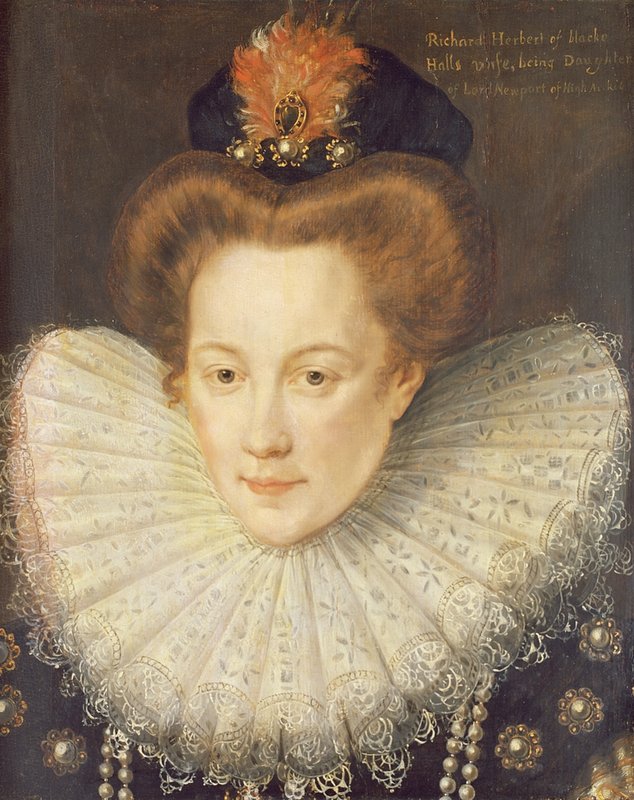
b. 1561 She was left a widow with 7 sons and 3 daughters and married second to Sir John Danvers (Walter, p. 10). d. 1627 Buried in Chelsea Co., Middlesex, England, 1 July 1627. |
Sir William Herbert of St. Julians, County Monmouth, Wales "the male heir to the 'Old EARLE OF PEMBROKE' (Walter, Edward Lord Herbert chart)
"[H]e studied under Laurence Humphrey, president of Magdalen College, Oxford ...described by his friends as learned and 'of a very high mind'" (Kennerley). Created Lord of Castle Island in 1580 as the first Herbert to hold land in County Kerry, Ireland (Kennerley, Walter, County Kerry, Ireland & Other Sources). He "was knighted in 1578 and became sheriff in 1580, [Member of Parliament] in 1584 and again 1586" (Kennerley). Queen Elizabeth I "made him deputy constable of Conway castle (8 July 1579) and in 1583 steward of Rhymney and other South Wales manors forfeit to the Crown since Buckingham's attainder (1521). Knighted on 21 December 1578" (Dodd). He sought converts in Ireland, but was mocked and returned to Wales. He "was a zealous Protestant all through his life" (Kennerley). d. 4 March 1593 (per William Herbert (planter) - Wikipedia and Dodd) |
m. | Florentia or Florence Morgan b. d. Sources: Kennerley and William Herbert (planter) - Wikipedia |
|||||||||||||||||||||||||||||||||||||||||||||||||||||||||
| | | | ↓ |
|
| | | ↓ |
||||||||||||||||||||||||||||||||||||||||||||||||||||||||||||
| Edward Lord Herbert of Castle Island in County Kerry, Ireland & Baron Herbert of Chebury, County Salop, England
Will of The Honorable Edward Lord Herbert of Cherbury 1648, which mentions son Col. Richard Herbert and grandson John Herbert (source: WikiTree and sources listed therein). His will is also seen on Walter, pp. 15 through 18. |
m. 28 February 1598/1599
"Married in the house at Eyton by the same Vicar
"[B]y these ancestors I am descended of TALBOT, DEVOREUX, GRAY, CORBET and many other noble families as may be seen in their matches in the many fair coats the NEWPORTS bear" - Edward Lord Herbert as quoted in Walter, p. 19, emphasis mine. Autobiography of Edward Lord Herbert
|
b. 1578 "LADY MARY HERBERT sole daughter and heir of MONTGOMERY, by her father SIR WILLIAM HERBERT of ST. JULIEN co. MONMOUTH (he died 1593) the male heir to the 'Old EARLE OF PEMBROKE' by a younger son of his (for the eldest son had a daughter who carried away those great possessions the EARLE of WORCESTER now holds in MONMOUTHSHIRE) having only one daughter surviving, made a will whereby he estated all his possessions in MONMOUTHSHIRE and IRELAND upon his said daughter, upon the condition that she married one of the surname of HERBERT, otherwise the said lands to descend to the heirs male of the said SIR WILLIAM'. (Autobio) After her father died, the heir Mary, continued unmarried 'till she was one and twenty, none of the Herberts appearing in all that time who either in age or fortune was fit to match her. (Autobio) Also see Kennerley and The Peerage: Mary Herbert
|
Ancestors through parents Sir John Egerton and Lady Frances (Stanley) Egerton |
|||||||||||||||||||||||||||||||||||||||||||||||||||||||||||
| | | | ↓ |
|
↑ | | | |
||||||||||||||||||||||||||||||||||||||||||||||||||||||||||||
"Richard, the second Lord of Herbert of Chibury, was a cavalier without fear and without reproach, and during his father's lifetime gave eminent proofs of his great courage and loyalty in the service of Charles I. In 1634, Richard Herbert was one of the magistrates of Shropshire, and, when the plague was prevailing there, was the senior magistrate who signed an order for a levy for the relief of poor and infected persons within the town and liberties of Shrewsbury" (p. 405, History of Shrewsbury, vol. ii as referenced on Collections..., p. 136).
|
Col. Richard Herbert, 2nd Lord Herbert of Cherbury (2nd Baron Herbert of Chirbury)  b. ca. 1604 Richard Herbert in 1635 A portrait of Lord Herbert in armour by Willem Wissing d. 13 May 1655 Buried at Montgomery, Montgomery in Powys, Wales
Sources for Richard: Walter, Edward Lord Herbert chart; Wikipedia: Richard Herbert, 2nd Baron Herbert of Chirbury and Collections Historical & Archœological Relating to Montgomeryshire and its Borders, Vol. VII. |
m. 19 November 1627 at Bridgewater House, Barbican, London, England (source: G. E. Cokayne et al., eds., The Complete Peerage of England, Scotland, Ireland, Great Britain and the United Kingdom, Extant, Extinct or Dormant (1910-1959, reprint in 6 volumes, 2000), vol. VI, p. 442, cited on Richard Herbert, 2nd Baron Herbert of Chirbury - Wikipedia; WikiTree - Richard Herbert) Source for couple: Walter, Edward Lord Herbert chart and Collections..., p. 139 View from the ruins of Montgomery Castle, Herbert's family seat(Source: Wikipedia: Richard Herbert, 2nd Baron Herbert of Chirbury) |
Lady Mary Egerton b. 1600-1608, Little Gaddesden, Hertfordshire, England, or Bridgewater, Somerset, England, or Cheshire England d. 1659, Luton, Bedfordshire, England, or Montgomery, Powys, Wales Burial: Either at St. Peter and St. Paul's Church, Little Gaddesden, Hertfordshire, England, or St. Nicholas' Church, Montgomery, Powys, Wales (most likely). |
|||||||||||||||||||||||||||||||||||||||||||||||||||||||||||
|
When Parliament became all powerful Richard Herbert was allowed to compound for his estate and was forced to pay a large fine. Herbert was Governor of Aberystwyth in 1644 and of Newport in 1645, but he took the Negative Oath and on 6 March 1647 "petitioned to compound", with the result that he was fined 1,000 pounds as the price of making his peace with parliament. The demolition of his home at Montgomery Castle in Wales was ordered by Parliament in June of 1649. His houses were plundered and his wife and children were left to wander from place to place a foot (Sources: WikiTree - Richard Herbert, Castles of Wales: Montgomery Castle). |
Also see the following: • WikiTree: Richard Herbert• Geni: Richard Herbert, 2nd Lord Herbert of Chibury • FamilySearch: Richard Herbert
|
| | | ↓ descendants through son John Herbert I via his marriage to Mary Bennett |
Also see the following:
|
|||||||||||||||||||||||||||||||||||||||||||||||||||||||||||
